Category: Friends of the Blue and Gray

  • Friends of the Blue and Gray: Little Sorrel

    Friends of the Blue and Gray: Little Sorrel

    Alright, it’s the weekend, which means it’s time for a new post on Friends of the Blue and Gray. I honestly love this series, and it seems to be pretty popular, so I am happy you guys are enjoying it too!

    I think today I am finally going to talk about Little Sorrel. I have been putting it off for a bit just because he is already so well known. But let’s give this Friend a proper post today.

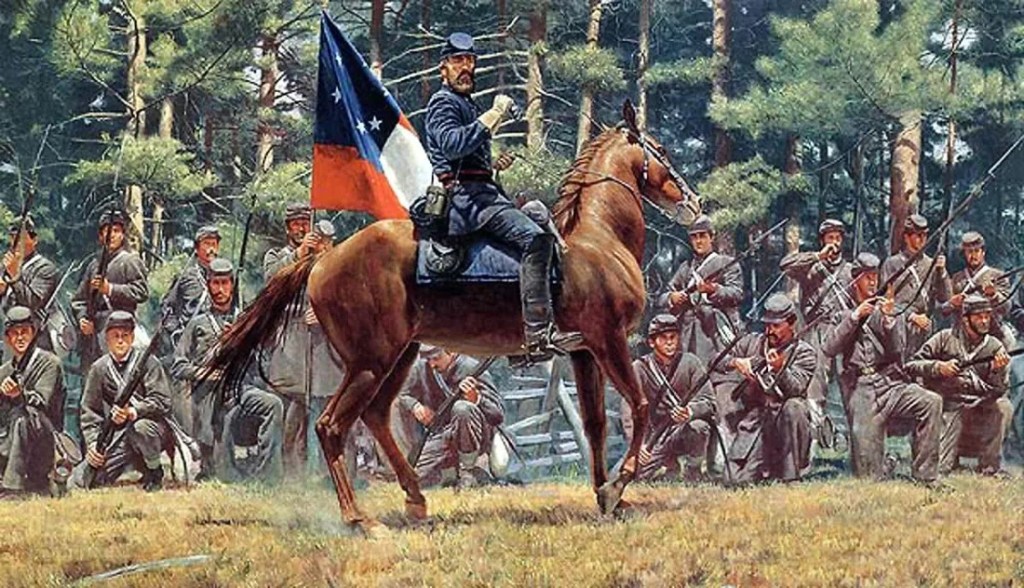
    In 1861, Little Sorrel was en route to Washington, D.C., as a Union cavalry horse when the train he was on was captured by Confederate forces at Harpers Ferry. Officers were allowed to pick from the seized horses—most chose the biggest and strongest mounts, and Jackson did too. He initially selected a larger horse, later known as Big Sorrel, while Little Sorrel was meant as a gift for his wife. At the time, the smaller horse was called Fancy.
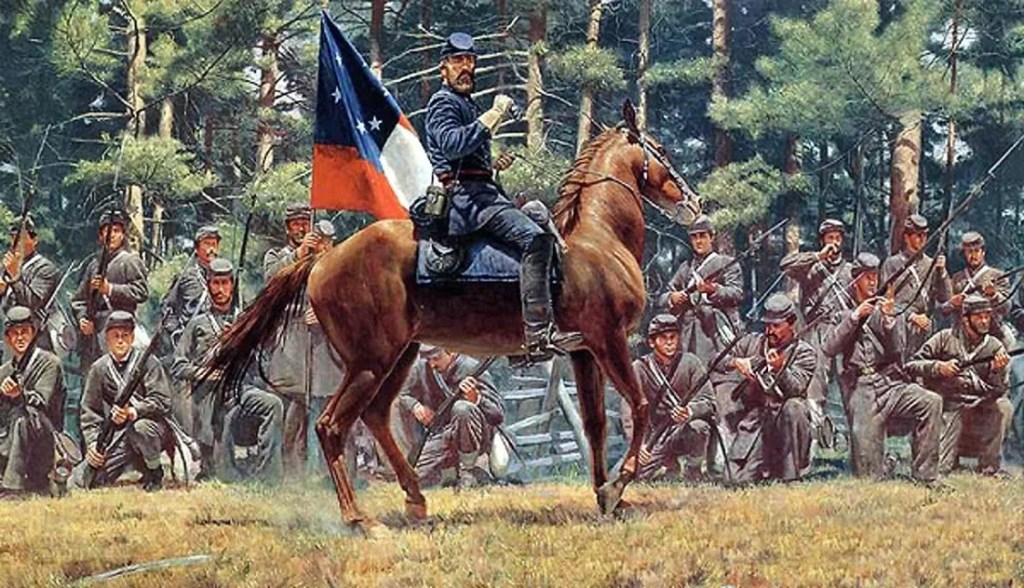
    But as it turned out, Big Sorrel couldn’t keep up with Jackson’s relentless pace and did not respond well to rifle and artillery fire. So the general made a decision. He ended up riding Little Sorrel into history.

    Little Sorrel was a small, wiry Morgan horse. I don’t know much about horses, so if someone wants to explain what a Morgan is, feel free. What I do know is that Little Sorrel was known for being fiercely loyal and incredibly dependable.

    If you follow this page, you already know what kind of man Thomas Jackson was. His men were called the “Foot Cavalry,” which should tell you everything about the pace and pressure they endured. That nickname paints a clear picture of what was expected from both man and animal and why a tough, determined horse was the perfect match for a relentless general.

    Jackson also was deeply loyal to his mount, with reports stating that he would never ride another horse and quotes saying, “Where Little Sorrel went, Jackson went.”

    Little Sorrel and Jackson went through nearly every major battle together: First Manassas, the Valley Campaign, the Seven Days Battles, Second Manassas, Antietam, Fredericksburg, and finally Chancellorsville—which, as we know, would be Jackson’s last ride.

    After Jackson’s death, Little Sorrel lived on and became a sort of mascot for the South. There are even stories of him walking up to cadets at VMI looking for treats… maybe he was looking for lemons in memory of an old friend.

    Damn, that sentence hurt writing.
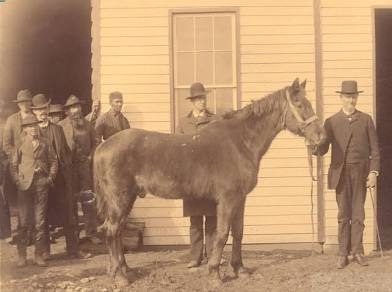
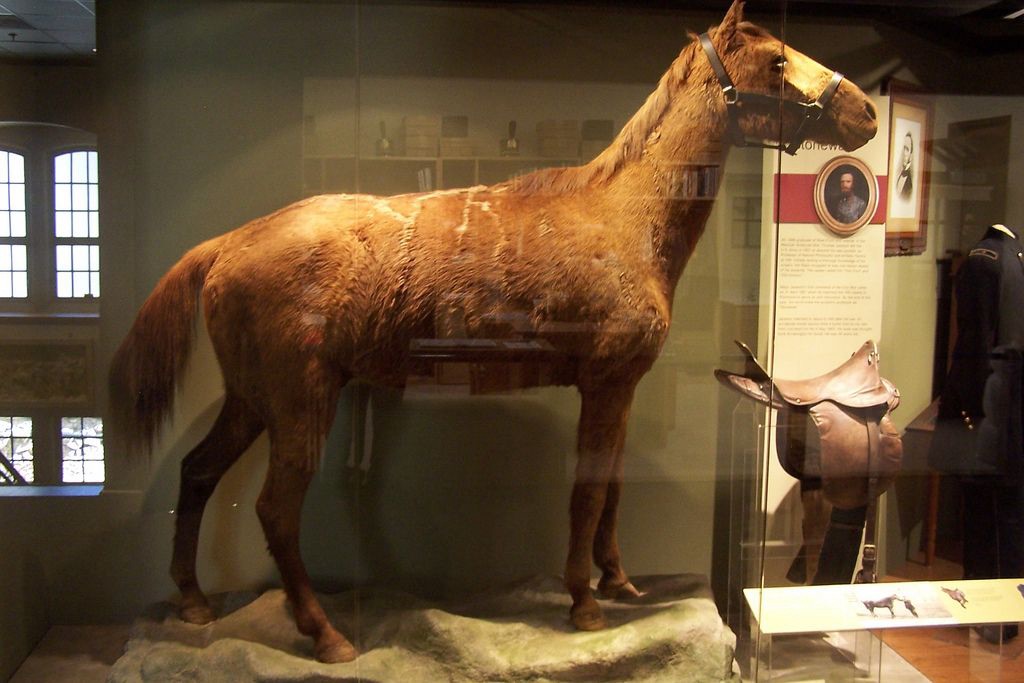
    He died in 1886 at around 36 years old. Little Sorrel is actually still at VMI. I will attach the picture to this post.
  • The Ride That Changed Everything: Sheridan and the Horse named Rienzi

    The Ride That Changed Everything: Sheridan and the Horse named Rienzi

    Introducing Friends of the Blue and Gray.

    I’ve gotten a lot of requests to talk about the animals of the Civil War, so I figured it’s time to start a series. I’ll try to do this once a week either Saturday or Sunday. Welcome to Friends of the Blue and Gray. Let’s jump right in!

    October 19, 1864 – Rienzi comes thundering onto the field at Cedar Creek, carrying a general who refused to lose. The tide turned the moment they showed up.

    In a chaotic war, sometimes a man on a horse makes the difference, not a strategy or battle plan.

    That horse was Rienzi, a sleek black gelding gifted to, at the time, Colonel Philip Sheridan in 1862 by officers of the Second Michigan Cavalry. Rienzi had three white fetlocks, and a presence that turned heads. Sheridan named him after the Mississippi town where he received him, and the two would become one of the most iconic rider-horse duos of the war. Actually this name will change, but we will get to that!

    Rienzi carried Sheridan through nearly 50 engagements, including 19 major battles and two cavalry raids. He wasn’t just a mode of transportation, but he was a warhorse through and through: steady under fire, powerful under strain, fast when it mattered, and loyal no matter what.

    Sheridan on Rienzi, racing from Winchester to Cedar Creek. Twelve miles of urgency, one horse, and a general hell-bent on turning a rout into a rally.

    On October 19, 1864, Rienzi earned his legendary status. Sheridan had been away in Winchester, Virginia, when Confederate troops launched a surprise attack on his army encamped at Cedar Creek. The Union lines were breaking. Morale was slipping. Panic was spreading. Sheridan got word and mounted Rienzi.

    What followed was a ride that would live on in poems, paintings, and battlefield legend…. and internet blogs (shameless shoutout).

    Sheridan and Rienzi covered 12 miles in under two hours, galloping past retreating Union troops, shouting them back into formation, rallying them to stand and fight. The sheer sight of Sheridan charging onto the battlefield on Rienzi likely lit a fire in the ranks. The men turned, re-formed, and counterattacked.

    The Union not only held the line but they won the battle.

    A New Name

    After Cedar Creek, Rienzi was renamed Winchester, in honor of the town from which he launched that legendary ride. Sheridan never rode another horse into battle. Rienzi had earned that place for good and rightfully so, Rienzi was a faithful companion (one would say a Friend of Gray).

    Winchester stayed with Sheridan until the horse’s death in 1878. The general had his body preserved and mounted, and today you can still see Winchester on display at the Smithsonian, standing in quiet tribute to one of the most pivotal rides in American military history.

    The horse that carried Sheridan through nearly 50 engagements and one of the most legendary rides in U.S. military history.

    This wasn’t just a warhorse. He was a friend, a companion and a sign of hope. He was part of the moment that changed everything that day in 1864.

    Thanks for taking the time to read this. I actually really enjoy this new theme. Feel free to shoot me a message or an email if you want me to cover something specific.

    Make sure you check out these sources. Great reading!

    Sources:

    Smithsonian Institution – Winchester (Rienzi) Smithsonian Magazine – “Philip Sheridan’s Valiant Horse” Emerging Civil War – “A Horse Named Rienzi” American Battlefield Trust – “Sheridan’s Ride”

    Image credits :

    Image 1 (Color painting of Sheridan rallying troops): American Battlefield Trust – https://www.battlefields.org/learn/articles/sheridans-ride

    Image 2 (Black & white illustration of Sheridan’s ride): Library of Congress – https://www.loc.gov/item/2005681732/

    Image 3 (Preserved horse at the Smithsonian): Smithsonian Institution – https://americanhistory.si.edu/collections/search/object/nmah_439678